Lemon Balm
(Melissa officinalis) - Perennial
The calming nature of lemon balm has been known for centuries. It has also been said to renew youth, strengthen the brain and relieve languishing nature. It was said by a Roman scholar that a warrior could prevent injuries by tying lemon balm to a sword.
Beekeepers have also long utilized lemon balm’s attractive quality to bees by rubbing it on a hive to keep the swarm together. Despite its enduring qualities, lemon balm’s claim to fame came from the Allman Brothers Band in 1972 when they borrowed lemon balm’s other name to use for the title of their song “Sweet Melissa.”
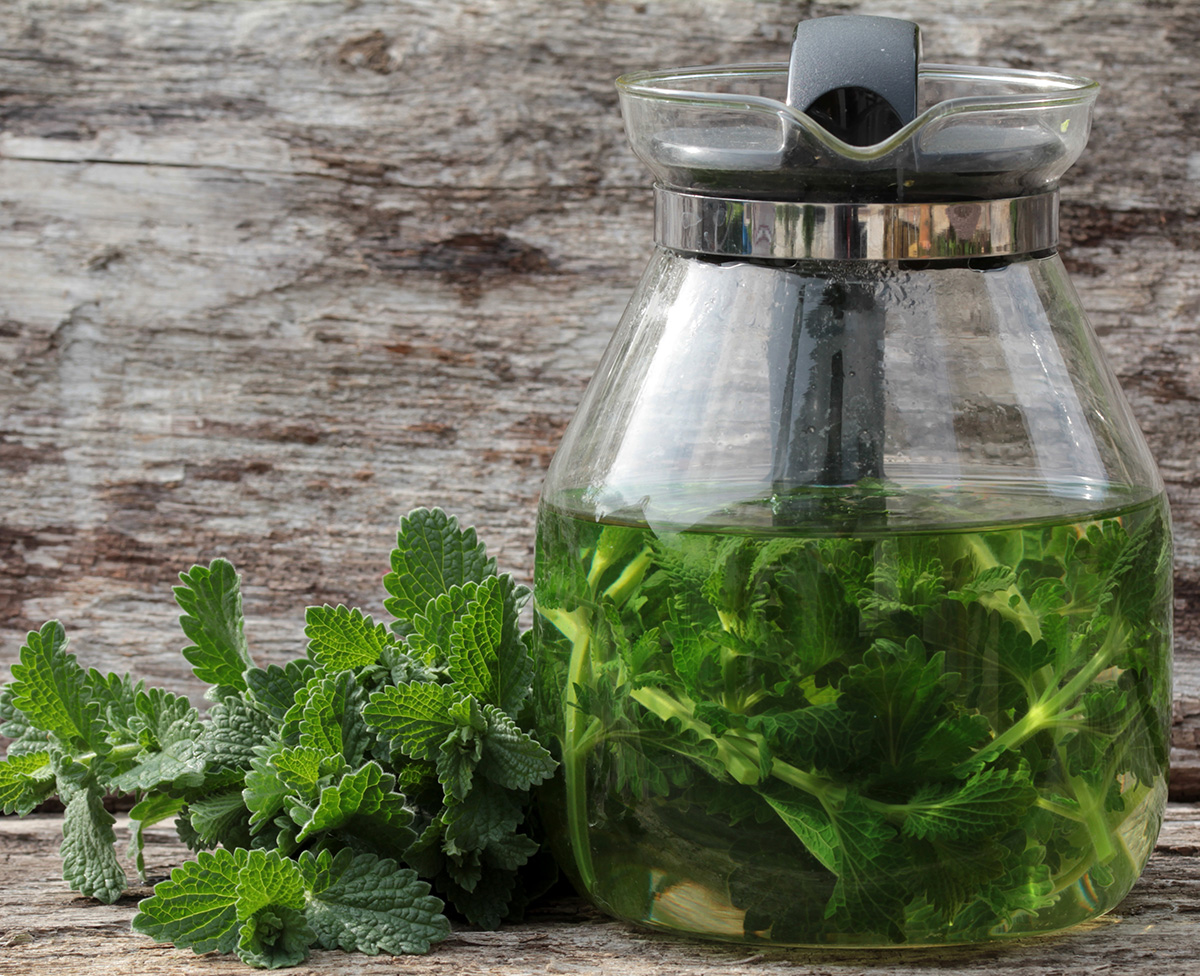
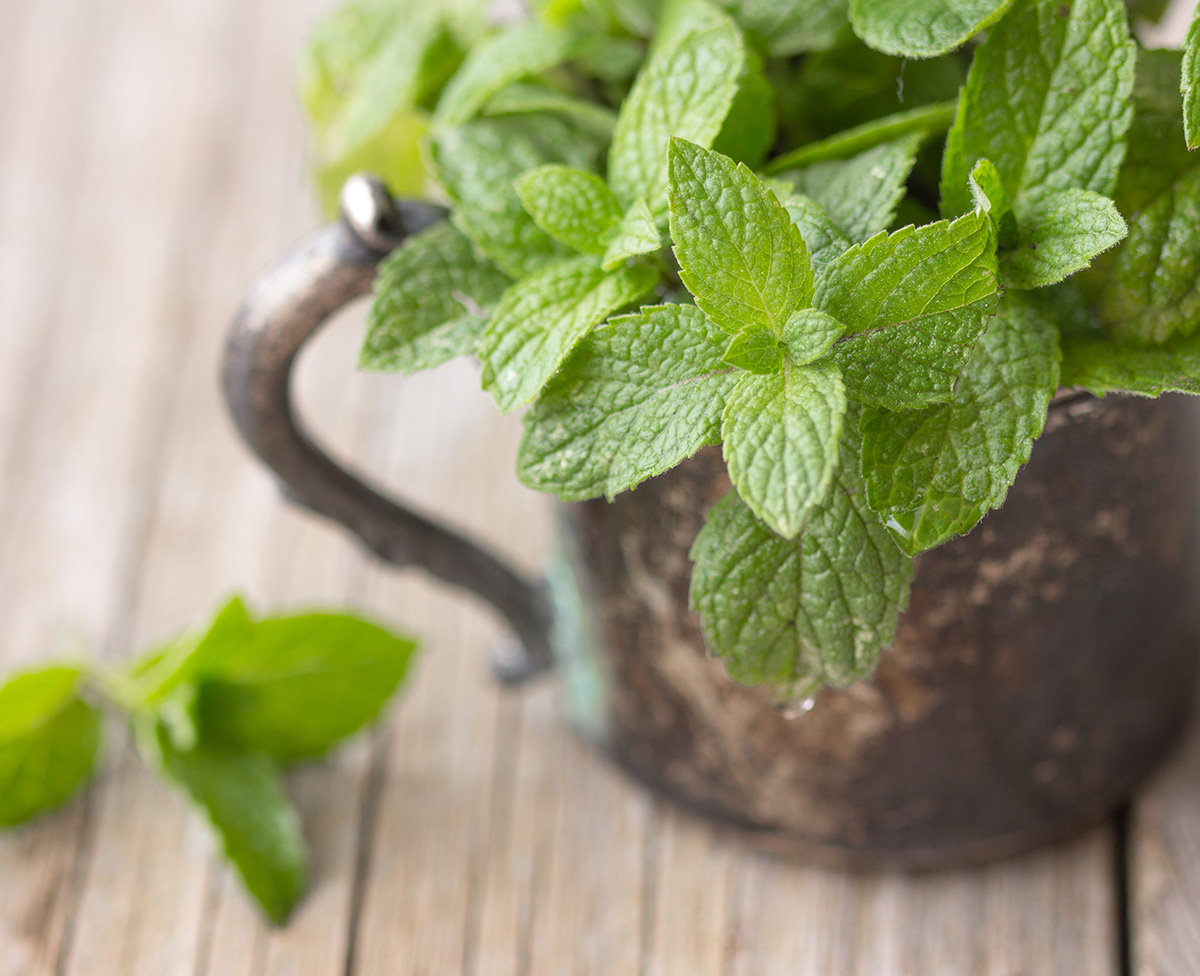
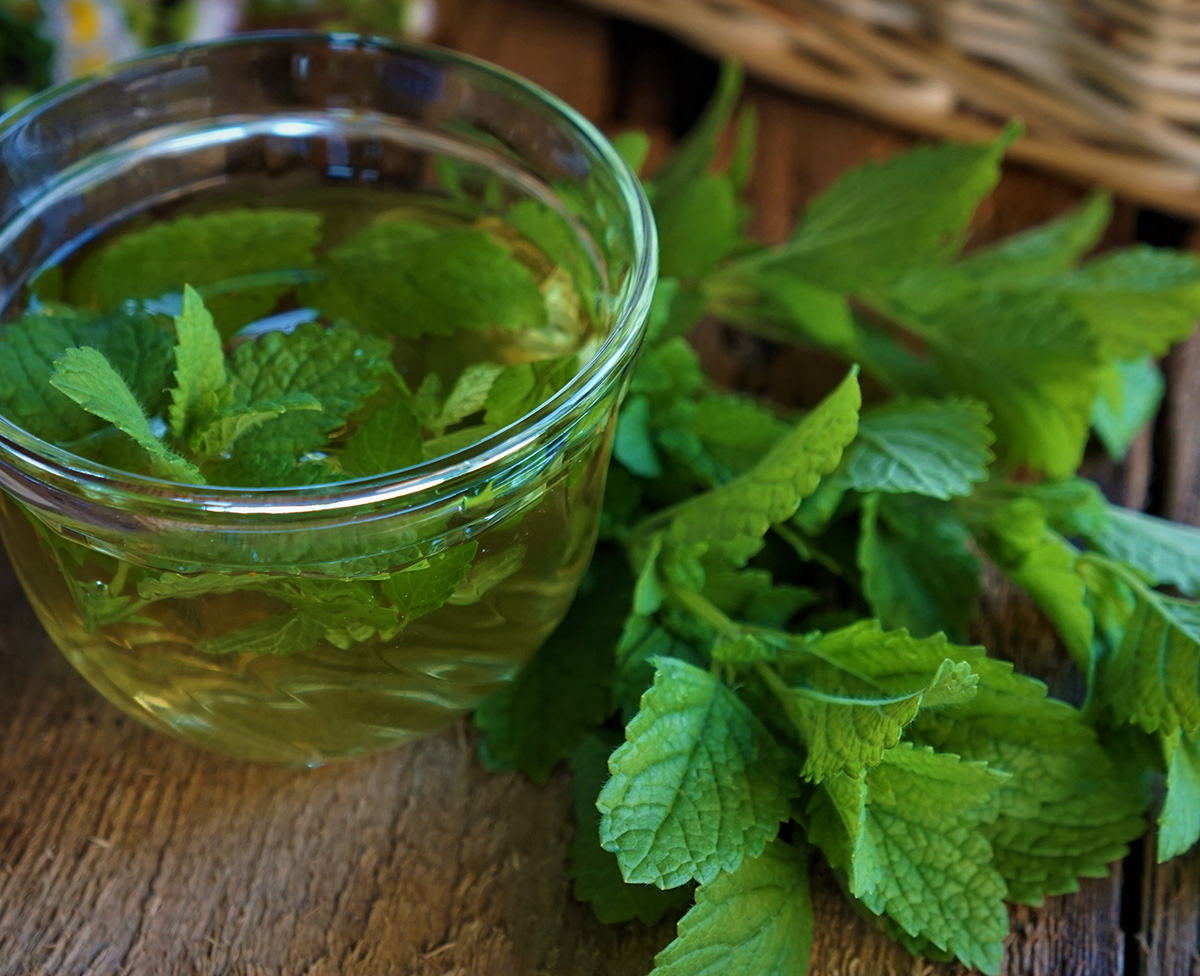
Lemon balm has bright green leaves and a subtle lemon taste with just a hint of mint to its flavor. It grows between 1 and 3 feet tall and has semi-heart shaped slightly serrated leaves. In the summertime, small white or yellow flower clusters appear.
Lemon balm is by far one of the easiest herbs to grow – and a great Southern herb. Planting lemon balm in high shade is a must, as the leaves turn yellow green in full sun. Also, the more organic matter in the soil, the plumper the leaves your plant will produce. If lemon balm experiences stress from extreme temperatures or dryness, cut it back to the ground and it will quickly and easily recover.
Growing Tips!
- Sun Exposure: High shade

- Where to Plant: Space 1.5 feet apart when ground planted

- Water Requirements: Water lightly and often

- Harvesting: Harvest before it flowers for optimum fragrance. Be careful not to bruise the leaves as you harvest. Take leaves throughout the season. For full harvest, cut the entire plant 2" above the ground. Dry on trays rather than hanging in the shade, and dry quickly to prevent it from turning black. Do not harvest unless sunny weather is predicted for several days.

- Soil Type: Loamy, well-draining soil

- Growth Habit: Grows well from seed, cuttings or divisions