Lavender
(Lavandula spp.) - Annual & Perennial
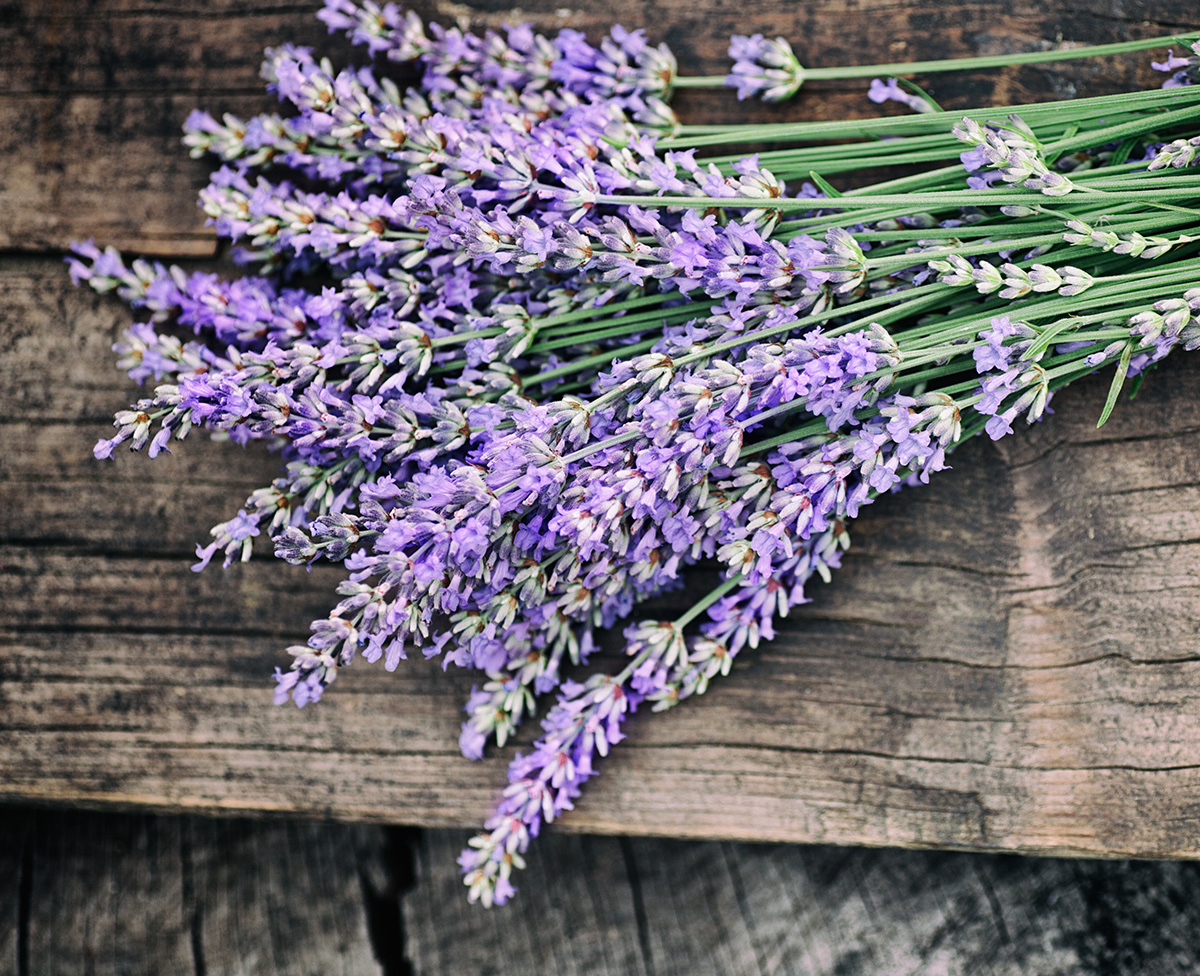
Lavender is famous for its clean and refreshing scent. Legend has it that it can be worn so as to see ghosts and, in ancient Egypt, Cleopatra’s snake was thought to live amongst lavender. Another note of lavender fame: it is known to be an aphrodisiac.
While lavender’s scent is appealing, it is not recommended to be used in food- it has a perfume-like taste. French lavender has narrow, greenish-gray leaves and vibrant, rosy purple flowers that bloom in tight balls with flags of pink petals.
French lavender’s long-lasting and fragrant blossoms make it a rewarding herb to grow. This variety is also one of the only lavenders that will survive in the south as it is not bothered by humidity.
If French lavender is planted in the ground or potted outdoors, it must be lifted or brought indoors before a frost. If lifting from the ground in the fall or winter, wait until a cloudy, wet day. Cut back one third of the foliage to account for roots lost during digging.
Growing Tips!
- Sun Exposure: Full sun or partial shade

- Where to Plant: Space plants at least 8 inches apart

- Water Requirements: Keep moist but not wet

- Harvesting: Cut the leaves at ground level. In the kitchen, break the stems off backwards before using. This will draw out any tough string that continues up the middle of the leaf.

- Soil Type: Loamy, well-draining, rich soil that is deeply dug for sorrel's long taproots

- Growth Habit: Medium